On paper, the village had 100% sanitation. On the ground, 30 houses had toilets.
An undergraduate field study with a local NGO. Our group spent five days in three villages and a primary health centre, talking to families and mapping how services and government schemes actually reached people.
The projectLook past the statistics
The NGO hosting us worked with tribal communities in the area. They asked our group to identify the problems, strengths and gaps in each village, so their work could focus where it mattered.
Many government schemes were meant to reach these villages: housing, sanitation, rural employment, maternal health, school meals. The question was how much of that showed up in daily life.
What does life in the village look like, compared with what the records say?
What I didWalked, mapped and listened
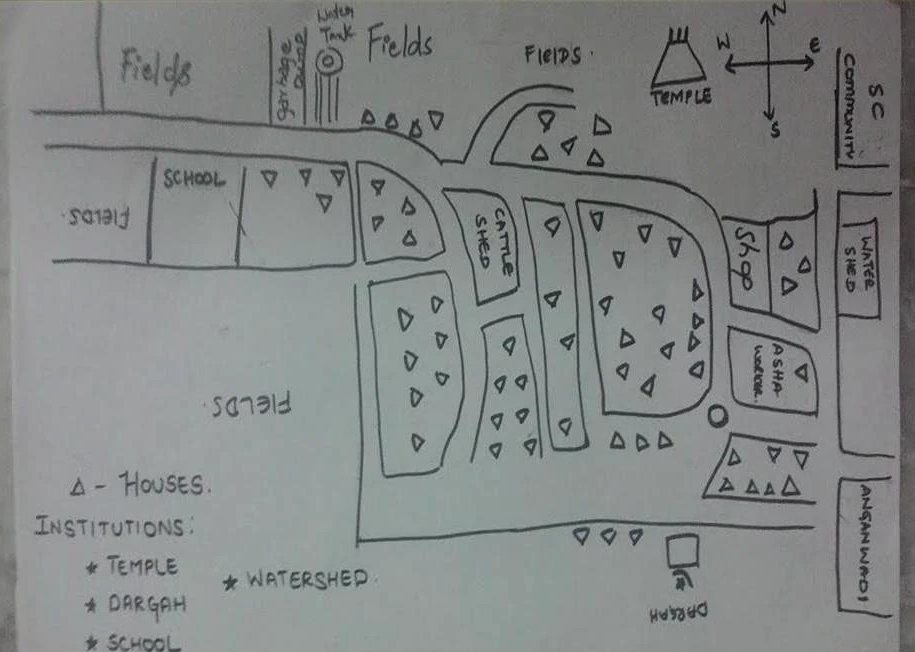
What we foundThe gaps were in the details
Records versus reality
Water was scarce despite a high-capacity tank, and 5 out of 8 sprinklers were broken.
Power cuts lasted 4 to 5 hours a day.
Care ran properly, but poor sanitation meant patients didn’t want to be admitted.
The watershed programme was functioning well, proof that schemes could land when run properly.
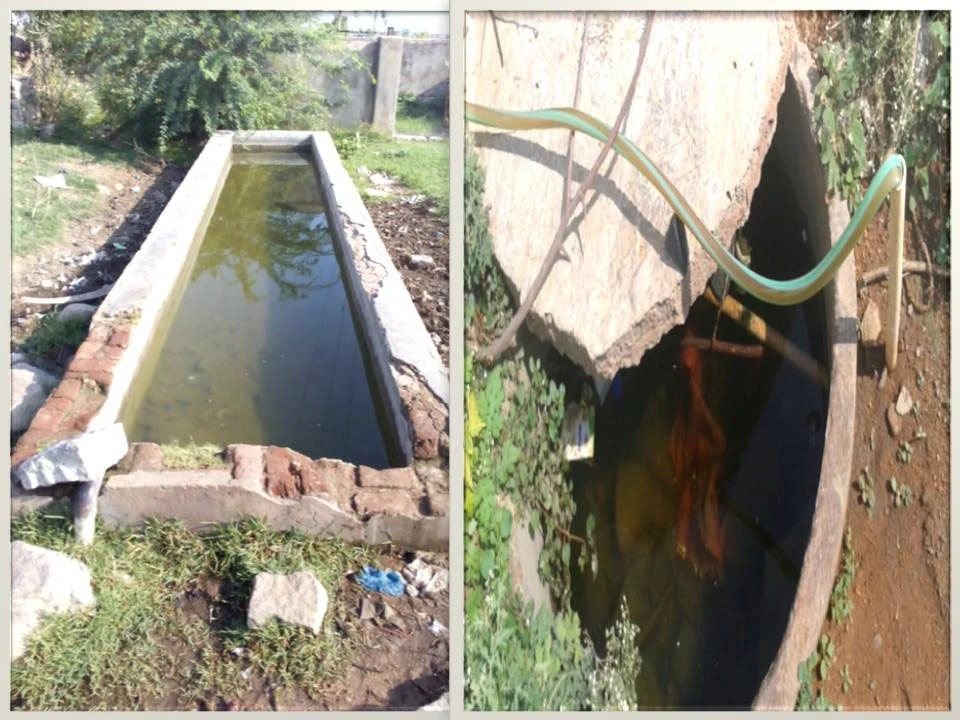
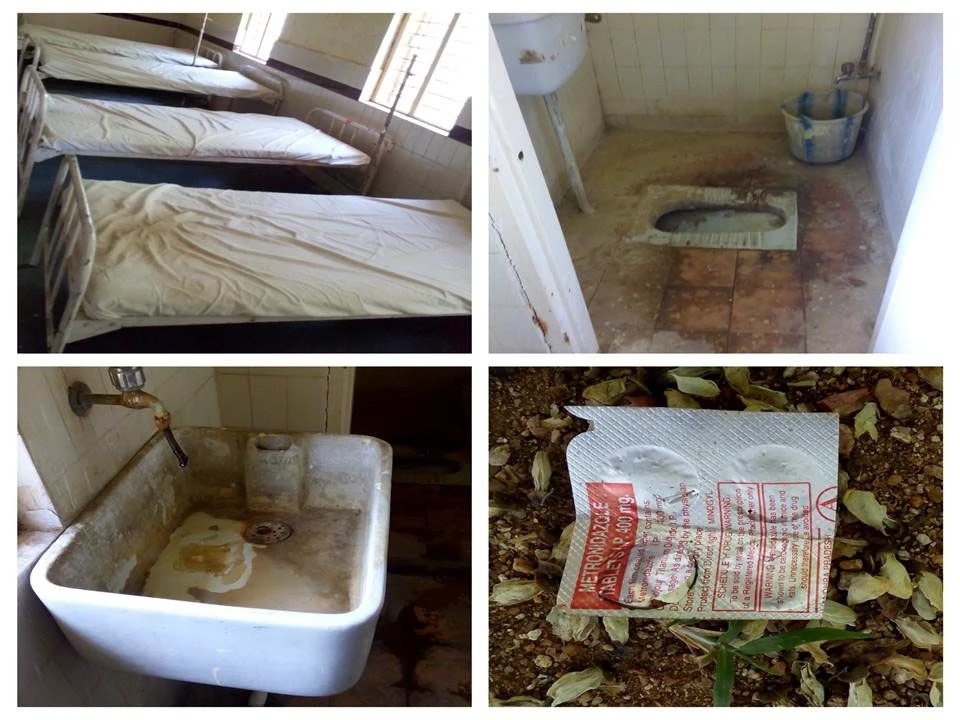
A number on a report is a claim, not a fact. Go and look. This was my first fieldwork, and it’s where I learned that the most important findings sit between what’s recorded and what people live with.
Undergraduate group project. Villages are not named, and photos showing people, names or health records are left out.