Before you can screen with gaze, you have to understand the paper tests.
A summer research internship in a cognitive science lab building a gaze-based tool to screen for dementia. My job was the groundwork: running the standard paper-based screening tests on healthy participants, so the team had a baseline to compare against.
The projectA lab building a faster way to screen
Dementia is usually screened with pen-and-paper tests that need a trained person, a quiet room and a lot of time. The lab I joined was developing a gaze-based screening system that uses a camera and image processing to read eye movements instead.
To know whether gaze could stand in for the paper tests, the team first needed solid data from those tests. That was my part of the project.
How do the standard dementia tests work in practice, and how do results differ between controlled lab settings and real patients?
What I didRan the paper tests, end to end
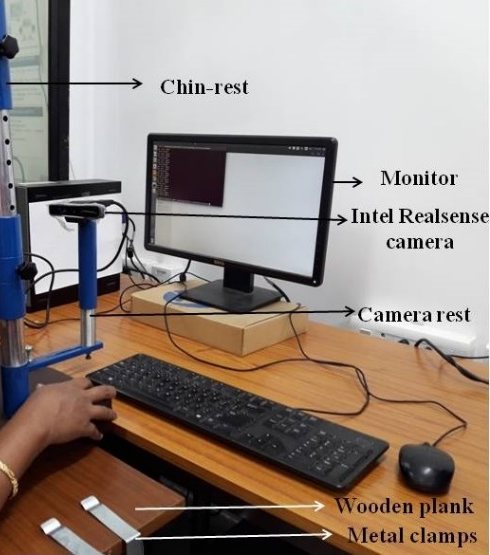
What I learnedWhy paper tests were the problem worth solving
Around 40 minutes for three tests, and participants’ patience ran out before the end.
Different researchers scored the same tests differently, which makes results harder to compare.
Noise in the lab and time pressure affected how people performed.
MMSE is quick but limited. Longer tests give more detail when there’s time. The choice depends on the setting.
This was my first look at how a measurement tool shapes the answer. A test is only as good as the conditions it’s run in, and that’s why a faster, more objective screen was worth building.
Academic internship project. The setup photo is cropped so no participant can be identified.