Can the way we look at happy and sad images help screen for depression?
My master’s thesis in cognitive science. I tested a computer-based system that records where people look and how their pulse changes while they view emotional images, and compared people diagnosed with depression with healthy controls.
The questionCould gaze add to a questionnaire?
Depression screening usually relies on self-report questionnaires. They are useful, but they depend on what people are willing or able to say. Research suggests people with depression look at emotional information differently, so gaze might add an objective signal.
People with depression show different eye movements to emotional images, and a computer-based test can pick those differences up.
What I didBuilt the study around a gaze-tracking setup
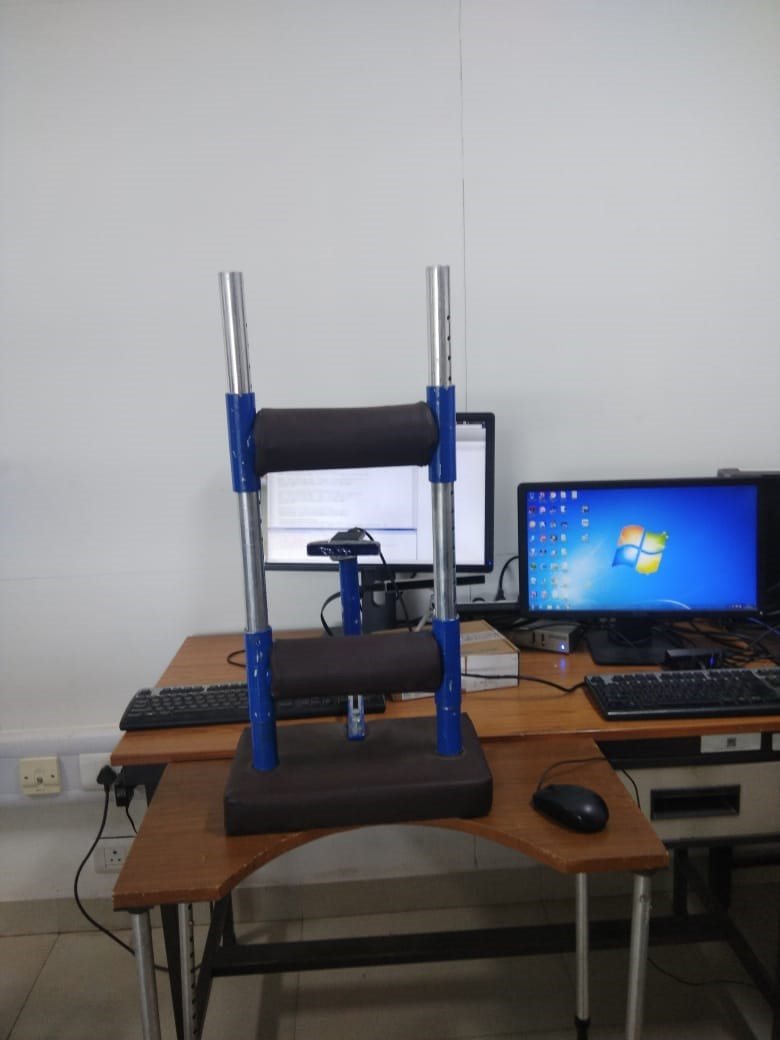
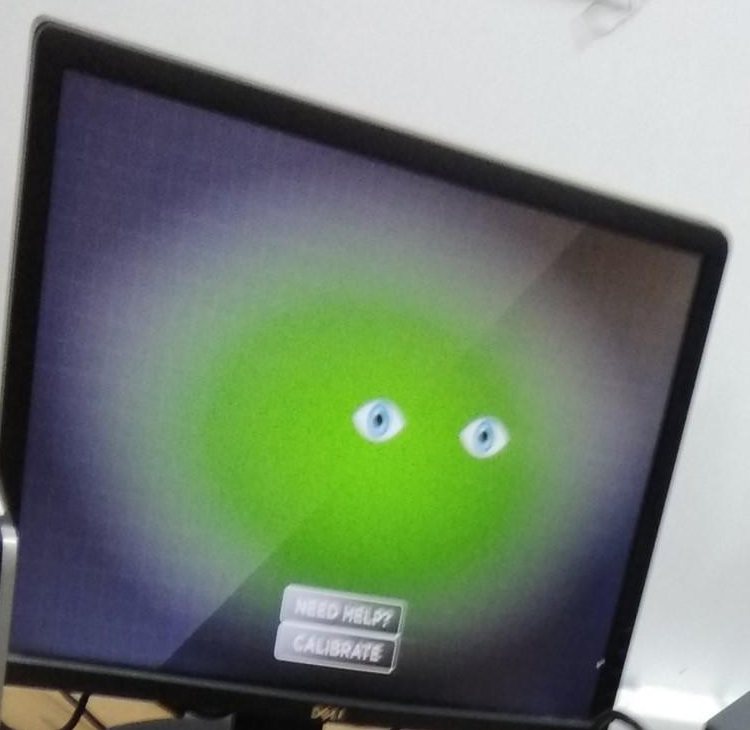
What I foundSmall sample, clear signals
Seven people diagnosed with depression took part, alongside a larger group of healthy controls.
Participants with depression took longer to respond to the images (p < .01).
Their fixations were shorter, suggesting poorer fixation stability (p < .05).
Pulse rate during the task differed between the groups (p < .05).
Combining gaze with a questionnaire was practical to run and gave a fuller picture than either alone.
Behaviour can say things people don’t. Pairing what someone reports with what they do is a habit I still bring to every study, now with users instead of patients.
- Limits: a small clinical group, so the results are a feasibility signal, not a diagnostic tool. A proper baseline would need 100+ participants and a longitudinal follow-up.
Academic thesis, supervised by Dr. Uttama Lahiri. Participant details are not shown, and the emotional images used in the study are left out because they show real people.